After my last article on emotional resilience in climate work, one response stayed with me. A fellow climate worker like myself wrote, and with a candour I want to honour by quoting verbatim:
“Lately I’ve felt a huge sorrow when thinking about climate. Every time I log on there’s more irreversible bad news. It just seems like nothing I could do matters. And I have been doing climate and disability work for years. I am not a rookie. It just… it’s impossible.”
I have felt some version of it. And many people in this space are feeling it too. I want to write this piece as an honest reply, not one that dismisses the feeling, and not one that pretends the sorrow behind it isn’t warranted. The bad news really is arriving faster than the good. Some losses really are irreversible. Concluding that nothing we do matters is not a failure of clear thinking, it is often what clear thinking looks like when the weight becomes too much to carry alone. But I want to sit alongside that feeling and offer a different frame. Because I do not think the honest answer to can we really reverse a changing climate? is no. It is not entirely, but the parts still ours to shape are the parts that will decide what our children inherit.
What we cannot undo, and what remains ours to decide…
There are things we will not be able to reverse. Some warming is already locked in. Some species are already gone. Some coastlines will not return to what they were. Grieving these losses is not weakness; it is what caring accurately looks like. But between what is already lost and what is still to be decided, there is an enormous space and that space is where our responsibility lives.
The choices we make in this decade will not restore the world of a century ago. They will, however, decide whether the world of the next century is livable or catastrophic. Whether the warming stabilises around limits humanity can adapt to, or continues into ranges no civilisation has ever endured. Whether the generations after us inherit a difficult world, or an uninhabitable one. That is not a small distinction. It is arguably the largest distinction any generation in human history has ever been asked to make.
The line that keeps returning to me
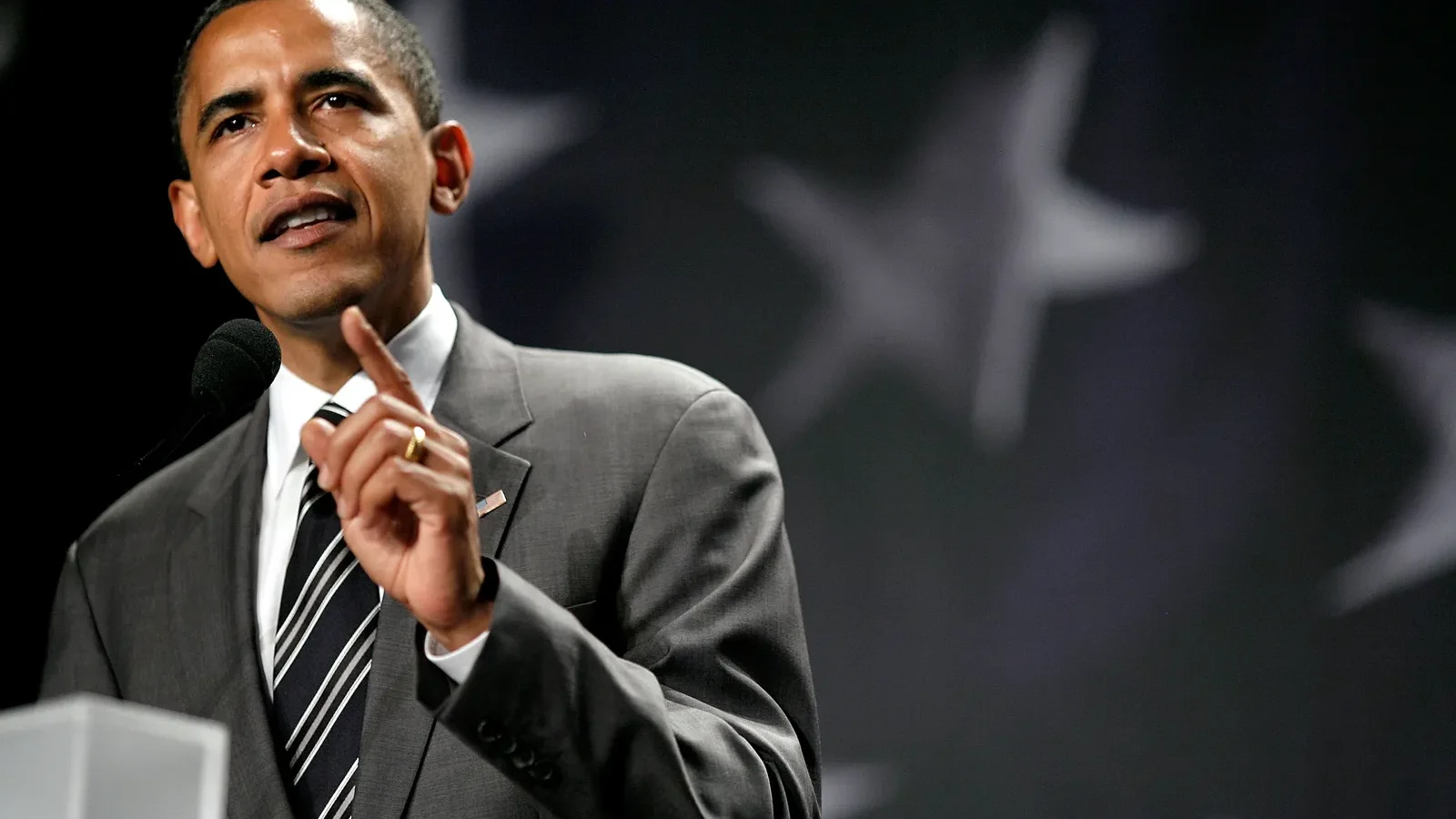
In 2015, Barack Obama, speaking at the U.N. Climate Change Summit, borrowed a line first said by Washington State Governor Jay Inslee. He puts it this way:
“We are the first generation to feel the impact of climate change, and the last generation that can do something about it.”
I have thought about that sentence often. And what strikes me is that both halves of it are true at the same time. We are the first to feel it. That is why the sorrow is so heavy. But we are also the last who can meaningfully act on it. That is why the responsibility is so serious. If we allow the sorrow of the first half to eclipse the responsibility of the second half, we do not simply lose ourselves. We lose the window our children will need us to have used.
A responsibility we owe, not a rescue
I want to be careful here, because I do not want to hand anyone reading this a new form of guilt. The climate crisis is not the personal responsibility of individuals who have spent years already caring about it. The largest emissions decisions sit with a very small number of governments, corporations, and institutions. No one working themselves toward burnout is the reason the problem persists.
But there is a quieter responsibility that does belong to each of us, and it is not the responsibility to rescue the planet single-handedly. It is the responsibility to remain, to keep our seat at the table, to keep the conversation alive in our own communities, to raise the next generation of people who will do this work after us, and to refuse to hand our children a world made worse by our exhaustion. That is a much more human-sized responsibility. It is one we can meet without breaking ourselves. And it is, in my view, the honest answer to the question of whether our effort still matters. It matters not because it can undo what is already done, but because it can shape what has not yet happened.
Continuing, even from where you are
To the colleaugue whose message I quoted at the start, and to anyone reading this, who feels the same weight: your sorrow is warranted, and your effort has not been in vain. If you need to rest, rest. If you need distance from the news for a while, take it. If you need to change how you engage, change it. But please do not conclude that nothing you do matters. The generations who come after us will not measure our efforts by whether we reversed the crisis. They will measure them by whether we refused, in the face of it, to give up on them.
That is a responsibility worth carrying. And it is, in the end, one we do not have to carry alone.
If this resonates with you, I’d welcome your thoughts in the comments and particularly from those still working in climate despite the weight of it. What has helped you stay?